
Sahathai Terminal Anchors Thailand Logistics Stability in January 2026
January 2026 Logistics Landscape in Thailand
January 2026 began with both opportunity and uncertainty for Thailand’s logistics sector. While long-term growth prospects remained strong, short-term disruptions exposed weaknesses in infrastructure and supply chain resilience.
Thailand continues to position itself as a central logistics hub in Southeast Asia, supported by its geographic advantage and expanding infrastructure network.
At the same time, policy changes such as the implementation of import tax from the first baht on all online goods starting 1 January 2026 added new dynamics to trade flows and logistics operations.
These developments forced logistics providers and shippers to adapt quickly, especially in balancing cost, speed, and reliability.
Infrastructure Disruptions Reshape Supply Chains
A major turning point in January 2026 was the series of infrastructure incidents that impacted confidence in traditional transport systems.
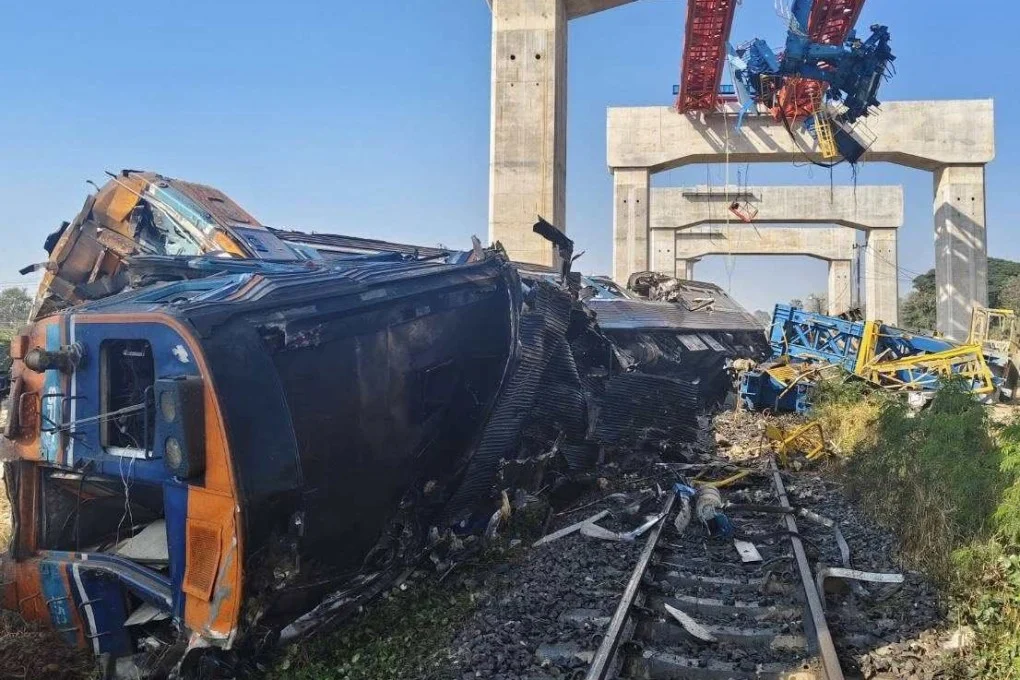
A deadly crane collapse onto a moving train in Nakhon Ratchasima caused dozens of fatalities and halted railway operations, raising serious concerns about construction safety and infrastructure reliability.
Following the incident, the government ordered a temporary suspension of multiple construction projects for safety inspections.
These disruptions highlighted a critical issue. Heavy reliance on land and rail infrastructure introduces systemic risk when unexpected failures occur.
For logistics operators, this created urgency to diversify transport modes and reduce dependency on a single infrastructure channel.
Sahathai Terminal Becomes a Stability Anchor
Amid these challenges, Sahathai Terminal has reinforced its role as a stable and reliable logistics solution.
As a river port operator connected to Laem Chabang Port, Sahathai Terminal provides an alternative route that is less affected by road congestion and infrastructure disruptions.
In January 2026, this advantage became more visible as businesses sought continuity in cargo movement.
By utilizing barge transportation along the Chao Phraya River, Sahathai Terminal enables:
- Reduced exposure to road and rail disruptions
- More predictable transit times
- Flexible routing during infrastructure interruptions
This positions Sahathai Terminal as a critical fallback and even primary option for companies prioritizing resilience in their supply chains.
Industrial Growth Drives Logistics Demand
Despite disruptions, Thailand’s industrial sector continued to expand in early 2026.
In January alone, 59 new factory licenses were approved nationwide, representing over 16 billion baht in investment, with strong concentration in logistics-connected regions like Chonburi.
This growth directly increases demand for logistics services, particularly in:
- Export-oriented manufacturing
- Eastern Economic Corridor supply chains
- Containerized cargo movement
As industrial output grows, the need for efficient inland logistics becomes even more critical.
Sahathai Terminal plays a key role in connecting these inland production hubs to international shipping routes, enabling smoother export flows.
Technology and Multimodal Shift Accelerate
January 2026 also marked a broader transformation in the logistics industry toward technology-driven and multimodal solutions.
Major logistics players such as KEX announced strategies to evolve into full logistics solution providers using advanced technology and flexible delivery systems.
At the same time, international collaboration continued through initiatives like the Thailand–Japan Cold Chain Logistics Workshop, focusing on improving efficiency, reliability, and sustainability in logistics operations.
These developments highlight a clear trend:
- Logistics is no longer just transportation
- It is becoming an integrated system combining infrastructure, technology, and data
Within this shift, Sahathai Terminal fits naturally as a multimodal hub that connects river, road, and sea transport into one ecosystem.
Outlook for 2026
Looking forward, the events of January 2026 have reinforced several key lessons for Thailand’s logistics industry.
First, resilience is now as important as efficiency. Supply chains must be able to adapt quickly to disruptions.
Second, multimodal logistics is becoming the standard, not the exception.
Third, infrastructure alone is not enough. Integration and flexibility define competitiveness.
Sahathai Terminal stands at the center of this transformation.
By offering river-based logistics combined with port connectivity and integrated services, it provides a practical solution to the challenges revealed in early 2026.
As Thailand continues its journey toward becoming a regional logistics hub, Sahathai Terminal is expected to play an increasingly important role in shaping the future of supply chain resilience.
