
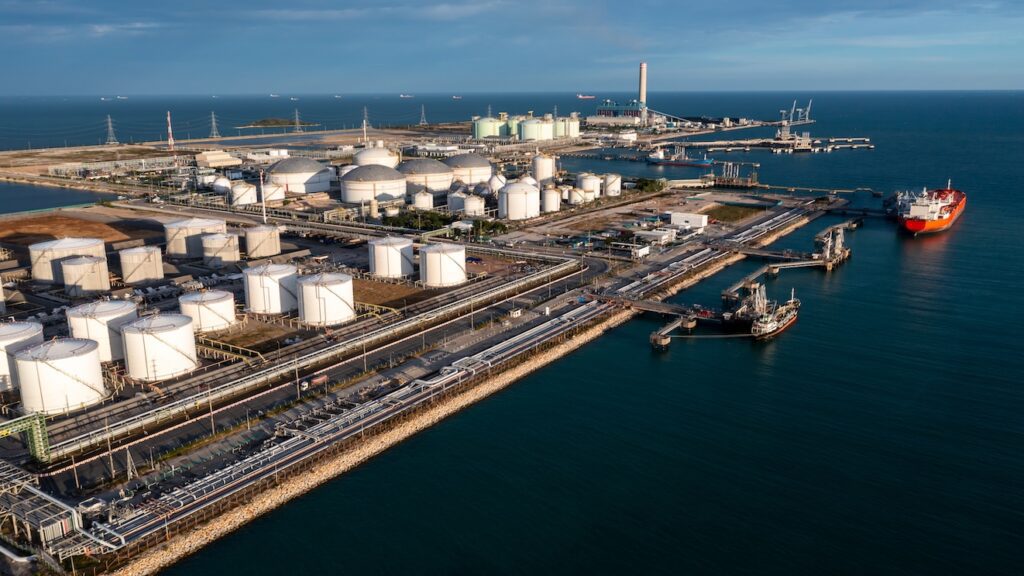
Logistics Crisis March 2026 Disrupts Global Supply Chains and Trade Routes
Table of Contents
- Overview of Logistics Crisis March 2026
- Strait of Hormuz Disruption Impacts Global Trade
- Freight Costs Surge Across All Transport Modes
- Capacity Collapse and Shipping Route Rerouting
- Air Cargo and Energy Supply Shock
- Sahathai Terminal Strengthens Thailand Logistics Stability
- Conclusion
Overview of Logistics Crisis March 2026
Logistics Crisis March 2026 has rapidly escalated into one of the most significant global supply chain disruptions in recent years. Unlike earlier months where risks were emerging, March marks a turning point where disruptions became real, widespread, and immediately impactful.
Driven by geopolitical conflict, energy instability, and transportation bottlenecks, the global logistics system is now facing a multi-layer crisis affecting ocean freight, air cargo, and land transportation simultaneously.
Strait of Hormuz Disruption Impacts Global Trade
At the center of the Logistics Crisis March 2026 is the disruption of the Strait of Hormuz, one of the world’s most critical shipping routes.
This chokepoint handles:
- Around 25% of global seaborne oil trade
- Significant volumes of LNG and industrial materials
Due to escalating conflict in early March:
- Vessel traffic dropped significantly
- Over 150 tankers were delayed or waiting for clearance
- Several shipping routes were suspended or rerouted
The closure and instability of this route created immediate ripple effects across global logistics, particularly impacting Asia, Europe, and Middle East supply chains.
Freight Costs Surge Across All Transport Modes
Another defining feature of Logistics Crisis March 2026 is the sharp increase in logistics costs.
Fuel prices surged due to disrupted energy supply, pushing:
- Ocean freight rates higher
- Air cargo costs to spike
- Land transportation surcharges to increase
Major carriers such as CMA CGM introduced new fuel surcharges across transport networks in March, reflecting how deeply cost pressure has spread across logistics operations
Additionally, war-risk insurance premiums and marine fuel costs rose significantly, adding further financial strain to global trade
Capacity Collapse and Shipping Route Rerouting
The Logistics Crisis March 2026 also triggered a major shift in shipping capacity and routing strategies.
Key developments include:
- Record vessel cancellations, with over 21,000 TEUs cancelled in a single day
- Suspension of shipping services to Gulf regions
- Increased rerouting via alternative ports and land corridors
Carriers began avoiding high-risk zones, resulting in:
- Longer transit times
- Equipment shortages in key regions
- Reduced schedule reliability
Global logistics networks are now operating under a dynamic routing model, prioritizing safety and continuity over efficiency.
Air Cargo and Energy Supply Shock
Beyond ocean freight, Logistics Crisis March 2026 significantly disrupted air cargo and energy supply chains.
Airspace restrictions and airport disruptions in the Middle East reduced cargo capacity, while:
- Up to 20% of global airfreight routes were affected
- Freight prices surged on Asia–Europe lanes
At the same time, energy infrastructure damage and supply shortages drove inflation across industries, affecting manufacturing, retail, and logistics sectors globally
This multi-modal disruption highlights how interconnected modern supply chains have become.
Sahathai Terminal Strengthens Thailand Logistics Stability
Amid the Logistics Crisis March 2026, regional logistics infrastructure has become increasingly critical.
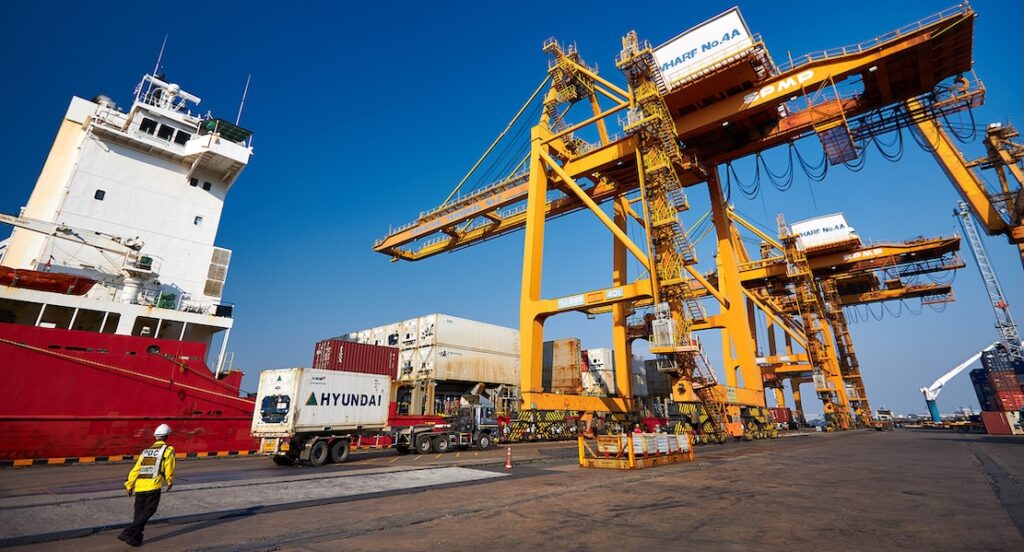
Sahathai Terminal, as a key inland container depot in Thailand, plays an essential role in supporting supply chain continuity.
Strategic advantages include:
- Strong linkage to Laem Chabang Port and Bangkok distribution zones
- Reduced dependency on congested or high-risk international routes
- Flexible cargo handling and inland logistics support
As global routes face disruption and rerouting, Sahathai Terminal provides a stable and efficient logistics alternative, helping businesses in Thailand maintain consistent import-export operations.
Conclusion
Logistics Crisis March 2026 marks a major escalation in global supply chain disruption, driven by geopolitical conflict, energy instability, and freight market volatility.
The events of March highlight a new reality:
- Logistics networks are highly sensitive to geopolitical risks
- Multi-modal disruption can occur simultaneously
- Regional infrastructure plays a critical role in resilience
For businesses, the key takeaway is clear.
Success in this environment depends on adaptability, diversification, and leveraging reliable logistics hubs like Sahathai Terminal.
Reference Section
- https://unctad.org/news/hormuz-shipping-disruptions-raise-risks-energy-fertilizers-and-vulnerable-economies
- https://www.bertling.com/news-pool/market/update-on-logistics-impact-of-the-iran-us-israel-conflict/
- https://www.reuters.com/business/energy/shipping-group-cma-cgm-plans-land-surcharge-rising-fuel-costs-2026-03-19/
- https://www.supplychainbrain.com/articles/43603-disruption-to-shipping-in-the-gulf-brings-record-cancellations
- https://www.washingtonpost.com/business/2026/03/08/iran-war-economy-air-freight/
- https://apnews.com/article/36037b31738bd9582f0ca617f292839d
