
Sahathai Terminal Drives Thailand Logistics Shift Amid December 2025 Disruptions
Thailand Logistics Situation in December 2025
December 2025 marked a significant transition period for Thailand’s logistics industry. Ongoing supply chain pressure, port congestion, and shifting trade patterns forced logistics operators to rethink traditional transportation models.
One of the key challenges throughout 2025 has been congestion at major ports such as Laem Chabang, combined with increasing reliance on road transport. This created bottlenecks, higher costs, and unpredictable delivery timelines.
As a result, businesses began actively searching for alternative logistics routes that could offer more stability, lower costs, and improved efficiency.
This shift created the perfect environment for river-based logistics to move from an alternative option into a core logistics strategy.
Sahathai Terminal Strengthens Its Role
During this transition, Sahathai Terminal has emerged as a critical infrastructure player in Thailand’s logistics ecosystem.
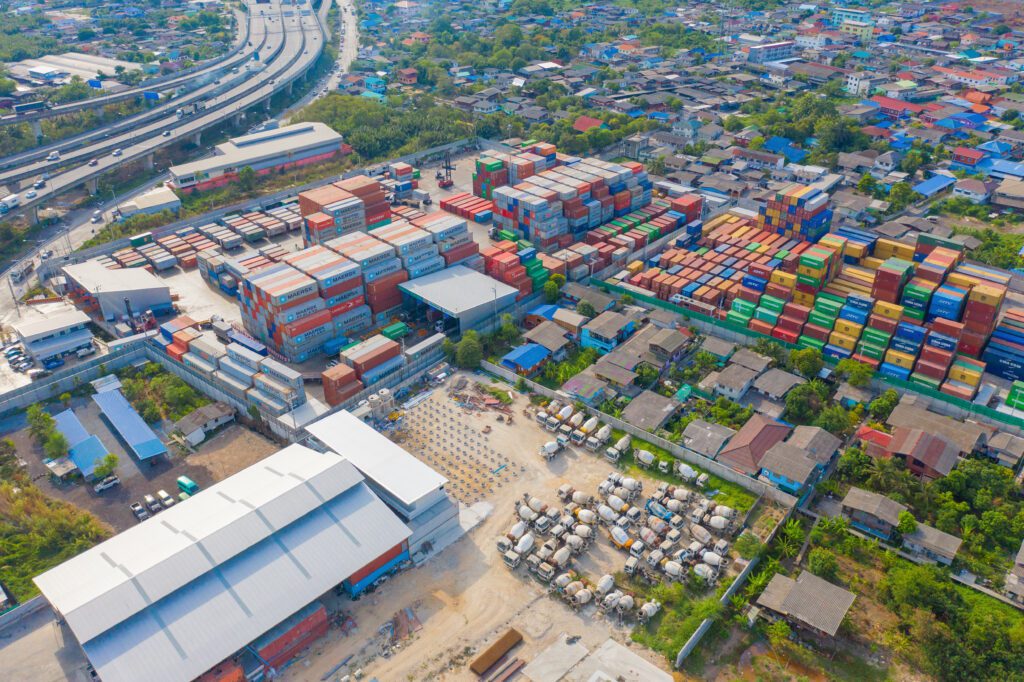
Located along the Chao Phraya River in Samut Prakan, Sahathai Terminal operates as a private river port offering container yard services, bonded warehouses, and barge transport connections directly to Laem Chabang Port
Its strategic location allows cargo to bypass road congestion and connect seamlessly to international shipping routes.
In 2025, Sahathai Terminal continued expanding its role as a one stop logistics provider, integrating terminal services, inland transportation, and freight forwarding into a single ecosystem
This integrated approach has positioned Sahathai Terminal as more than just a port. It is becoming a logistics hub that connects inland operations with global trade flows.
River Logistics Becomes a Strategic Alternative
A major highlight of 2025 is the rapid adoption of barge transportation, driven largely by the Sahathai Terminal and Logizall partnership.
The initiative focuses on shifting container transport from road to river routes, helping reduce congestion while improving supply chain efficiency.
Key results observed from this model include:
- Up to 30 percent faster turnaround time
- Around 10 to 15 percent reduction in logistics costs per shipment
These improvements are significant, especially during periods of high demand and disruption.
Additionally, Sahathai Terminal operates multiple barges transporting containers between Bangkok river ports and Laem Chabang, helping reduce dependence on trucking capacity
This shift reflects a broader transformation in Thailand logistics where flexibility and multimodal transport are becoming essential.
Regional Connectivity Expands
Another major advantage of Sahathai Terminal is its growing regional connectivity.
Through its barge and feeder network, the terminal connects Thailand to key Asian trade routes including:
- China
- Malaysia
- Indonesia
- Vietnam
- Singapore
This network strengthens Thailand’s position as a logistics hub in Southeast Asia by reducing reliance on a single gateway port.
It also enables freight forwarders to optimize routing strategies and improve delivery reliability across multiple markets.
For smaller logistics players, this model opens opportunities to compete more effectively by sharing cargo volume and accessing better shipping rates.
Sustainability and Efficiency Gains
Sustainability has become a key driver in logistics decisions, and Sahathai Terminal plays an important role in supporting greener supply chains.
By shifting cargo movement from trucks to barges, the terminal helps:
- Reduce carbon emissions
- Lower fuel consumption
- Decrease road congestion in urban logistics corridors
River transport is also more fuel efficient per container compared to long haul trucking, making it a practical solution for both economic and environmental challenges.
As ESG considerations continue to influence business decisions, logistics providers that offer sustainable options are gaining a competitive advantage.
Outlook for 2026
Looking ahead, Sahathai Terminal is expected to continue expanding its influence in Thailand’s logistics sector.
Key trends to watch include:
- Increased adoption of barge logistics among exporters and importers
- Expansion of river port capacity and infrastructure
- Greater integration of digital logistics platforms
- Stronger collaboration between logistics providers
The developments throughout 2025 have shown that relying solely on road transport is no longer sustainable for long term growth.
Sahathai Terminal represents a shift toward a more resilient, flexible, and efficient logistics model.
As Thailand continues to position itself as a regional trade hub, the role of river based logistics will only become more important.
