
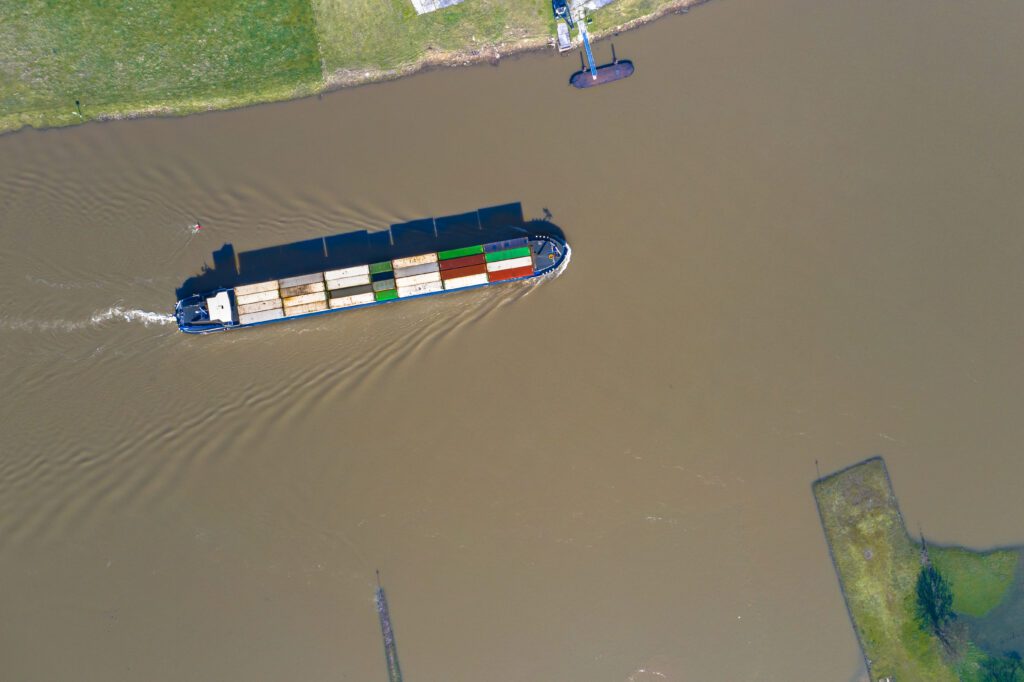
Logistics Risk Early February 2026 Intensifies Global Supply Chain Pressure
Overview of Logistics Risk Early February 2026
Logistics Risk Early February 2026 has become a defining theme for global supply chains, as multiple risk factors converged at the start of the month. Rising shipping costs, seasonal disruptions, and freight market imbalance created early pressure across international logistics networks.
Rather than a single disruptive event, February 2026 shows a pattern of compounding risks, where cost volatility, capacity adjustments, and operational delays collectively reshape logistics planning worldwide.
Shipping Cost Surge Signals Early Disruption
One of the clearest indicators of Logistics Risk Early February 2026 is the sharp increase in shipping and procurement costs.
Industry reports from early February show that logistics and transport costs have risen significantly, with over 20% of procurement managers reporting cost increases exceeding 10%.
These increases are driven by:
- Rising fuel and energy costs
- Ongoing geopolitical uncertainty
- Supply-demand imbalance in shipping
As a result, global goods—from electronics to machinery—are already experiencing price pressure, signaling broader economic impact tied directly to logistics performance.
Lunar New Year Creates Capacity Imbalance
Another key factor shaping Logistics Risk Early February 2026 is the Lunar New Year cycle, one of the most predictable yet disruptive seasonal events in global trade.
According to February logistics outlook reports:
- January saw a surge in exports before factory shutdowns
- February experienced a sharp drop in production and shipping activity
- Carriers began adjusting capacity due to reduced cargo volumes
This cycle creates a temporary imbalance, where:
- Vessel space becomes underutilized
- Schedules are disrupted
- Supply chains face timing mismatches
For global businesses, this results in delays, inventory challenges, and increased reliance on forecasting accuracy.
Freight Market Instability and Blank Sailings
Freight market dynamics in February 2026 further reinforce the growing Logistics Risk Early February 2026.
Market data highlights:
- Over 100 cancelled voyages (blank sailings) across Asia–US routes
- Capacity withdrawals reaching up to 60% in key trade lanes
- Port congestion causing delays of 2–4 days in major Chinese ports
These actions are taken by carriers to stabilize freight rates amid weak demand, but they also introduce:
- Reduced schedule reliability
- Longer lead times
- Increased uncertainty for shippers
This reflects a broader shift where logistics providers actively manage capacity instead of maintaining fixed schedules.
Global Supply Chain Strategy Shift
Beyond operational challenges, Logistics Risk Early February 2026 highlights a deeper transformation in supply chain strategy.
A February industry report shows that 68% of companies now consider supply chain management a top strategic priority, nearly doubling from the previous year.
Key trends include:
- Transition from cost optimization to resilience planning
- Increased focus on supply chain visibility
- Greater integration of logistics technology and data
This shift indicates that companies are no longer reacting to disruptions but are proactively building systems to withstand future shocks.
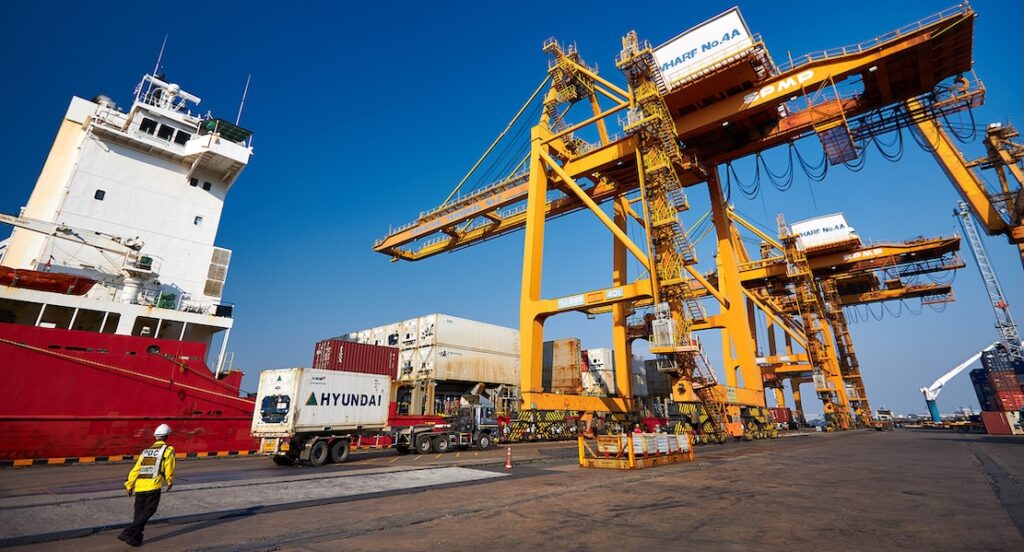
Sahathai Terminal Strengthens Thailand Logistics
Amid global uncertainty, Sahathai Terminal plays an increasingly important role in maintaining regional logistics stability in Thailand.
As an inland container depot with strong connectivity to Laem Chabang Port and Bangkok distribution networks, Sahathai Terminal offers:
- Efficient cargo handling and reduced port congestion
- Strategic inland positioning for flexible logistics routing
- Reliable infrastructure to support import-export operations
During periods like Logistics Risk Early February 2026, where global supply chains face volatility, localized logistics hubs such as Sahathai Terminal become critical in ensuring continuity and reducing dependency on high-risk international bottlenecks.
Conclusion
Logistics Risk Early February 2026 demonstrates how multiple small disruptions can combine into significant global supply chain pressure.
From rising shipping costs and seasonal slowdowns to freight capacity adjustments, the logistics industry is entering a period where uncertainty is the new normal.
For businesses, success will depend on:
- Early risk detection
- Flexible logistics strategies
- Strategic use of regional infrastructure like Sahathai Terminal
This period serves as a clear reminder that resilience—not just efficiency—is now the core of modern logistics.
