
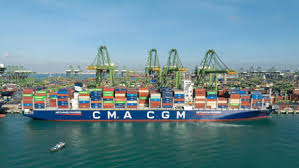
CMA CGM Emergency Conflict Surcharge Disrupts Middle East Logistics
Overview of CMA CGM Emergency Measures
CMA CGM Emergency Conflict Surcharge has become a critical development in global shipping as tensions in the Middle East escalate in early 2026. The French shipping giant has introduced strict operational measures to protect vessels, crew, and cargo amid growing instability across Iran and the Arabian Peninsula.
Effective from March 2, 2026, these measures include new surcharges and operational suspensions across multiple high-risk trade routes. The move reflects increasing volatility in global logistics, as shipping companies adapt to geopolitical disruptions impacting key maritime corridors.
Recent global shipping reports indicate that the Middle East conflict has significantly disrupted container flows, forcing rerouting and increasing operational costs across the supply chain.
Emergency Conflict Surcharge (ECS) Explained
At the center of this update is the CMA CGM Emergency Conflict Surcharge, introduced to offset rising operational and security costs.
ECS Rate Structure
- 20 ft. dry container: USD 2,000
- 40 ft. dry container: USD 3,000
- Reefer & special equipment: USD 4,000
This surcharge applies to:
- All cargo types
- New bookings from March 2, 2026
- Cargo already in transit but not yet delivered
The ECS applies broadly across affected Middle East routes, covering both inbound and outbound shipments.
This pricing adjustment reflects a broader trend across the shipping industry, where war-risk premiums and fuel surcharges are driving logistics costs significantly higher.
Suspension of Reefer Container Bookings
In addition to the CMA CGM Emergency Conflict Surcharge, the company has taken a more drastic step by suspending all temperature-controlled (reefer) container bookings.
This decision was made due to:
- Security risks affecting cargo integrity
- Operational instability at ports
- Limited control over cold-chain logistics
The suspension applies immediately and remains in effect until further notice across all impacted Middle East routes.
For shipments already in transit or ready for loading, CMA CGM has indicated that further updates will be communicated directly to customers.
Affected Countries and Trade Routes
The CMA CGM Emergency Conflict Surcharge and operational restrictions apply to a wide range of countries, including:
- Iraq
- Bahrain
- Kuwait
- Yemen
- Qatar
- Oman
- United Arab Emirates
- Saudi Arabia
- Jordan
- Egypt (Ain Sokhna Port)
- Djibouti
- Sudan
- Eritrea
These regions represent key logistics hubs and transit corridors connecting Asia, Europe, and Africa, making the disruption highly significant for global trade flows.
Impact on Middle East Logistics and Supply Chain
The implementation of the CMA CGM Emergency Conflict Surcharge is expected to have wide-reaching effects on Middle East logistics and global supply chains.
Key Impacts
- Rising freight costs: Shipping rates have surged due to added surcharges and rerouting
- Supply chain delays: Alternative routes increase transit time
- Cold chain disruption: Reefer suspension impacts food, pharmaceuticals, and perishables
- Port congestion: Cargo diversion to secondary ports
Industry reports suggest that shipping costs on some Middle East routes have increased multiple times compared to pre-conflict levels, with logistics conditions described as highly unpredictable.
Industry Outlook Amid Rising Geopolitical Risks
The CMA CGM Emergency Conflict Surcharge signals a broader shift in how global shipping companies respond to geopolitical instability.
Major carriers are:
- Rerouting vessels away from high-risk zones
- Introducing emergency surcharges across transport modes
- Suspending specific cargo types to reduce risk
Additionally, rising fuel prices linked to the conflict are adding further pressure to logistics costs worldwide.
Looking ahead, the situation remains fluid. While some routes may reopen gradually, uncertainty in the Middle East continues to challenge logistics planning, cost forecasting, and supply chain resilience.
Conclusion
The CMA CGM Emergency Conflict Surcharge highlights how geopolitical tensions can rapidly reshape global logistics. With increased costs, restricted services, and disrupted trade routes, businesses operating in or through the Middle East must adapt quickly.
For logistics providers and shippers, this moment underscores the importance of:
- Flexible routing strategies
- Risk management planning
- Close monitoring of global shipping updates
As the situation evolves, the logistics industry will continue to face both challenges and opportunities in navigating a highly volatile global environment.
