
Middle East Shipping Risk Early February 2026 Raises Logistics Concerns
Overview of Middle East Shipping Risk Early February 2026
The Middle East Shipping Risk Early February 2026 marked a critical warning phase for the global logistics industry, even before the full-scale escalation later in the month.
During early February, geopolitical tensions between Iran, the United States, and regional allies were already intensifying. While no large-scale conflict had yet occurred, industry stakeholders began identifying potential risks that could disrupt one of the world’s most important maritime corridors.
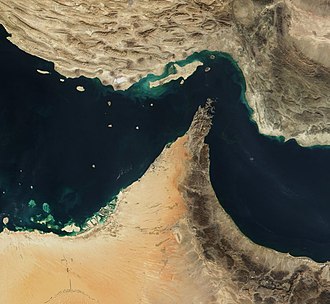
At the center of concern was the Strait of Hormuz, a strategic chokepoint responsible for transporting a significant portion of global oil and liquefied natural gas.
Rising Tensions Around Strait of Hormuz
In early February 2026, analysts and regional observers highlighted increasing instability in the Gulf region.
Key developments included:
- Military positioning and naval activity increasing in the Gulf
- Rising political tension between Iran and Western allies
- Early warnings of potential disruption to shipping lanes
Although commercial shipping continued operating, risk levels were already elevated. Industry reports warned that any escalation could immediately impact maritime traffic through the Strait of Hormuz.
This concern was particularly critical because:
- The strait is a narrow chokepoint with limited alternative routes
- Any disruption could affect global oil and gas supply
- Asia depends heavily on this corridor for energy imports
Early Warnings from Energy and Shipping Analysts
During early February, global energy and logistics analysts began issuing cautionary outlooks regarding the Middle East Shipping Risk Early February 2026.
Warnings included:
- Potential for sudden supply chain disruption
- Increased insurance and operational costs
- Vulnerability of global energy flows
Experts emphasized that even a temporary disruption in the Strait of Hormuz could create immediate ripple effects across:
- Oil prices
- Freight rates
- Manufacturing supply chains
These early signals proved critical, as they highlighted how sensitive global logistics systems are to geopolitical risk, even before actual conflict begins.
Logistics Industry Begins Risk Monitoring
Shipping companies, freight forwarders, and insurers began implementing early risk management strategies during this period.
Key Industry Actions
- Monitoring vessel routes through high-risk zones
- Reviewing contingency plans for rerouting
- Evaluating war-risk insurance exposure
- Increasing communication with regional partners
While operations remained normal, many logistics operators entered a “watch phase”, preparing for possible disruption without yet altering major routes.
This stage is important because it shows how the logistics industry reacts before crisis, not just during it.
Pre-Crisis Impact on Global Supply Chains
Even without direct conflict, the Middle East Shipping Risk Early February 2026 had early-stage effects on global supply chains.
Observed Early Impacts
- Increased volatility in oil market expectations
- Rising insurance discussions for Gulf routes
- Heightened awareness among exporters and importers
At this stage:
- Freight costs had not yet surged significantly
- Shipping routes were still open
- No official restrictions were imposed
However, the market sentiment had already shifted toward uncertainty, setting the stage for rapid changes later in February.
Sahathai Terminal’s Strategic Position in Early Risk Phase
This is where Sahathai Terminal becomes highly relevant in the early February phase.
Sahathai Terminal Public Company Limited plays a key role as a river port and inland logistics hub connecting Bangkok to global shipping routes.
Why Sahathai Matters in This Phase
- It connects Laem Chabang and international shipping lines via barge transport
- It enables faster container movement into Bangkok within 24 hours
- It reduces reliance on long-haul trucking and congested routes
Outlook Before Late February Escalation
By mid-February, it became increasingly clear that the situation could escalate.
Industry expectations included:
- Possible military confrontation
- Temporary closure or restriction of key maritime routes
- Rapid increase in logistics costs if conflict occurred
These concerns materialized on February 28, 2026, when military strikes triggered the full-scale crisis that disrupted global shipping and supply chains.
Conclusion
The Middle East Shipping Risk Early February 2026 represents a crucial but often overlooked phase in the global logistics crisis timeline.
Before any missiles were launched or shipping routes disrupted, the warning signs were already visible:
- Rising geopolitical tension
- Strategic chokepoint vulnerability
- Early industry risk response
For logistics professionals, this phase highlights an important lesson:
The biggest disruptions often begin with small signals.
Understanding and acting on these early indicators can be the difference between resilience and disruption in global supply chain management.
