Thailand Exports Hit Hard as Myanmar Closes Mae Sot–Myawaddy Border, Disrupting Trade Worth 138 Billion Baht
Border Closure Sparks Crisis
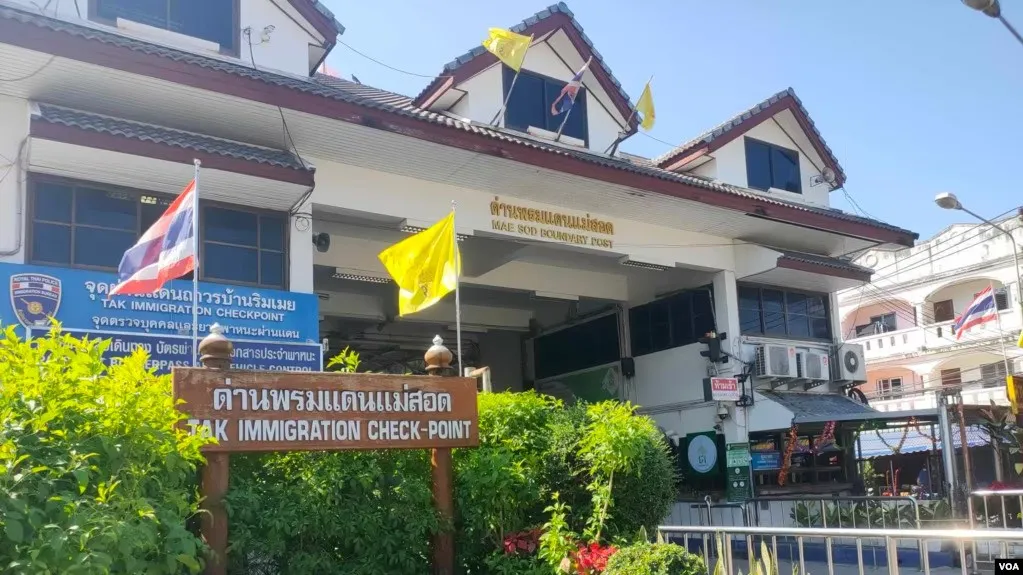
Thailand-Myanmar border trade is facing one of its toughest disruptions in years after Myanmar authorities abruptly ordered the closure of the Mae Sot–Myawaddy Friendship Bridge II, the main gateway for large cargo trucks between the two nations. The sudden move, with no prior notice to Thai officials, has caused immediate chaos for logistics operators, exporters, and importers, while raising concerns over the future of bilateral cross-border commerce valued at more than 138 billion baht annually.
Why Myanmar Closed the Border
Reports indicate the closure was directed from Naypyidaw, Myanmar’s capital, as part of a campaign to tighten state control over border revenues. For years, a significant portion of income from cross-border trade has been captured by local ethnic armed groups and the Border Guard Force (BGF), rather than the central government. By shutting the bridge and rerouting trade through official channels, the Myanmar military regime aims to reassert control and boost state revenues.
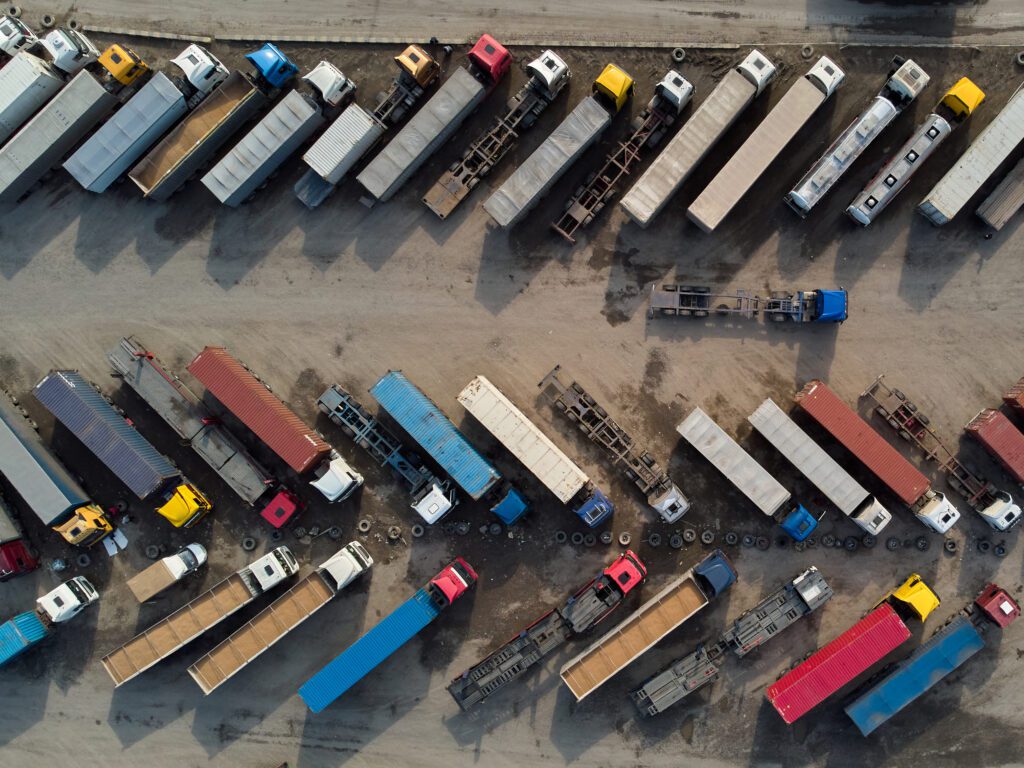
What has shocked Thai officials and businesses is the lack of warning. Even Mae Sot Customs Office was caught off guard, creating confusion for transport operators who were left with fully loaded trucks stranded at the border.
Immediate Impact on Thai Exports
The Mae Sot–Myawaddy crossing is the most critical trade route for large-scale cargo shipments between the two countries. Its sudden closure has reduced Thai exports from nearly 50 billion baht to just over 10 billion baht per quarter.
This disruption is not only hurting Thai exporters of key products—such as mobile phones, motorcycles, palm oil, and diesel fuel—but also shaking confidence in the stability of Thailand-Myanmar border trade. Importers and shippers on both sides are equally burdened, with goods delayed, contracts disrupted, and perishable items at risk of spoilage.
Chamber of Commerce Calls for Urgent Talks
In response, the Tak Chamber of Commerce convened an emergency meeting with logistics operators, shipping businesses, and cross-border traders. The group urged the Thai Ministry of Commerce to open negotiations with Myanmar to find a solution before the disruption causes long-term economic damage.
Meanwhile, Thai provincial authorities have announced stricter measures of their own. Starting August 20, transport operators must provide two days’ advance notice and comply with inspections from customs, the military, and administrative officials. Exporters fear this will create additional delays, compounding the border closure’s impact.
Statistical Overview of Mae Sot Border Trade
According to Mae Sot Customs, the border trade under its jurisdiction covers five provinces—Tak, Kamphaeng Phet, Sukhothai, Nakhon Sawan, and Uthai Thani—along a 533 km shared border with Myanmar.
Key statistics (Fiscal Year 2025 up to July):
- Total trade value: 138.59 billion baht
- Exports: 55.48 billion baht (down 21.34% YoY)
- Imports: 16.75 billion baht (up 142.34% YoY)
Top Thai exports to Myanmar:
- Mobile phones and accessories – 2.50 billion baht
- Motorcycles – 2.01 billion baht
- Palm oil – 1.63 billion baht
- Diesel fuel – 1.54 billion baht
- Reconditioned vehicles – 1.51 billion baht
Top imports from Myanmar:
- Antimony ore – 12.35 billion baht
- Scrap aluminum – 733.75 million baht
- Dried chili (Form D) – 428.29 million baht
- Fresh chili (Form D) – 347.94 million baht
- Tamarind pulp – 116.74 million baht
Notably, 68.7% of imports passed through unofficial routes, a factor that partly explains Myanmar’s determination to reassert central control.
Economic and Strategic Implications
The closure of the Mae Sot–Myawaddy bridge has raised alarms across Thailand’s border trade sector. Beyond the immediate logistics bottleneck, there are fears that prolonged restrictions could:
- Undermine confidence among Thai exporters.
- Reduce state revenue from customs duties.
- Trigger unemployment in border logistics and shipping companies.
- Slow down Thailand’s regional trade competitiveness.
If the issue persists, businesses may be forced to reroute shipments through longer and costlier alternatives, increasing logistics costs by up to 20–30%.
Outlook: Will Border Trade Resume?
While the Friendship Bridge I remains open for small-scale trade and personal travel, the closure of the second bridge effectively paralyzes bulk cargo transport. Negotiations between Thailand and Myanmar are now critical to prevent the border trade system from grinding to a halt.
Observers suggest that bilateral talks could focus on establishing joint inspection protocols and revenue-sharing mechanisms that satisfy both the Myanmar central government and local authorities. Without such compromise, Thailand-Myanmar border trade may face prolonged instability, with ripple effects on the broader economy.
External Source